Things to Do in Saint Vincent in September
September weather, activities, events & insider tips
Low Season · Budget Friendly
September Weather in Saint Vincent
Temperature, rainfall and humidity at a glance
77°F (25°C)
High Temp
68°F (20°C)
Low Temp
2.7 inches (69 mm)
Rainfall
70%
Humidity
Making the most of September in Saint Vincent? Browse tours and activities in Saint Vincent on GetYourGuide.
Is September Right for You?
Weigh the advantages and considerations before booking
Advantages
- + Come September, Saint Vincent's leeward side flips the script. Months of rain have super-charged the northern rainforest into a shade of emerald that looks photoshopped, and the Mesopotamia Valley drifts with the syrupy perfume of breadfruit and soursop ready to drop. By 10 a.m. most days, mist has already rolled over La Soufrière's upper slopes, turning the volcano into the most cinematic backdrop you'll meet all year. If you travel for green wilderness and wall-to-wall drama, no other month on the Caribbean calendar delivers the goods like this one.
- + Visitor numbers bottom out in September, so the Vermont Nature Trail, your best chance of locking eyes with the critically endangered St. Vincent Parrot, a bird found nowhere else, might greet only a dozen hikers on its busiest morning. Fort Charlotte's ramparts, the Botanical Gardens (1765, oldest in the Western Hemisphere), and the Kingstown-to-Bequia ferry all move to an unhurried island rhythm instead of the compressed, elbow-to-elbow shuffle that passes for high-season tourism.
- + Hotel rates on Saint Vincent hit their annual floor in September, a serious perk on an island that charges mid-range prices the rest of the year. Flights into Argyle International Airport also dip, and the trio of lower fares, thinner crowds, and rain-polished scenery can make the month feel like smart math for travelers who have weighed the hurricane-season odds.
- + September is high tide for local fishing, so Kingstown's Saturday market peaks. Mahi-mahi, wahoo, and yellowfin tuna reach the wharf from Grenadine waters before sunrise, and the catch is usually gone by 9 a.m. Wake early, eat like islanders do, breadfruit charred over coals, jackfish steamed with dasheen, sea egg cracked open on the spot, and you'll see why this overlooked window satisfies serious appetites.
Considerations
- − September is the statistical bull's-eye of Atlantic hurricane season, and Saint Vincent is not exempt. A direct strike remains rarer here than on northern islands. But tropical storms and the outer fringes of distant systems can park over the island for days, grounding boats to the Grenadines, turning trails into mud slides, and sending flash water through Kingstown's lower streets. Travel insurance that covers trip interruption and medical evacuation is mandatory. Consider it the cover charge for playing in September's league.
- − With humidity parked around 70 % and rain cells that roll in fast, dump hard for 30, 45 minutes, then vanish, outdoor plans need slack built in. Boat trips to the Falls of Baleine on the north coast or down to Tobago Cays live or die by the sky. An excursion locked in two days ahead can be scrubbed overnight. If your style is rigid itineraries and a checklist of must-dos, September's mood swings will drive you crazy.
- − A handful of small guesthouses and local operators shut or scale back in September, reading the low-season room count correctly. The Grenadines, Mustique and Canouan in particular, lose villa and boutique inventory, and some ferry routes shrink their timetables. What stays open works fine. But the menu shortens and parts of the island dial down to a hush that can catch first-timers off guard.
Settled on September? Compare hotel prices in Saint Vincent for your dates on Trip.com.
Year-Round Climate
How September compares to the rest of the year
| Month | High | Low | Rainfall |
|---|---|---|---|
| Jan | 25°C | 20°C | 1.1 inches (28 mm) |
| Feb | 25°C | 20°C | 5.2 inches (132 mm) |
| Mar | 25°C | 20°C | 4.2 inches (107 mm) |
| Apr | 25°C | 20°C | 2.2 inches (56 mm) |
| May | 20°C | 10°C | 4.1 inches (104 mm) |
| Jun | 25°C | 20°C | 3.9 inches (99 mm) |
| Jul | 25°C | 20°C | 1.4 inches (36 mm) |
| Aug | 25°C | 20°C | 2.8 inches (71 mm) |
| Sep | 25°C | 20°C | 2.7 inches (69 mm) |
| Oct | 25°C | 20°C | 3.7 inches (94 mm) |
| Nov | 25°C | 20°C | 3.5 inches (89 mm) |
| Dec | 25°C | 20°C | 3.6 inches (91 mm) |
Best Activities in September
Top things to do during your visit
September owns Saint Vincent. The air, thick at 25 degrees, smells of rain that vanishes as fast as a trade-wind thought, leaving hills a darker green. Locals stroll. They know sun can flip to drumming downpour before the valley stops echoing. This is not the brochure Caribbean. It is quieter, washed, festival-free. Ten wet days encourage slow motion. Duck into a café. Watch rain slick the cobbles. Hike the cooled volcanic interior after a shower. Humidity hovers at 70 percent, a warm towel. Shade under a breadfruit tree or the spray of a waterfall feels like rescue. The sea stays warm. Black-sand coves and cloud-capped La Soufriere look sharper through the moist air. No events, no schedule. You get charcoal smoke, roasting breadfruit, mango-chutney tang, a cool mountain breeze after humid air. Engage with raw drama and real people before winter's dry pace returns.

Airport TransferArgyle International to or from hotels villa area
transportThe ride from Argyle International Airport is your first jolt into island life. Vans pass banana stands, school-kid chatter, Atlantic blue hitting black volcanic sand.
Your introduction to the island's landscape and atmosphere.
Insider tip: Confirm pickup. Cell service fades near remote villas.

Botanical Gardens and City Tour
guided_experienceKingstown's Botanical Gardens breathe since 1765. Leatherback ferns rustle. Nutmeg mace scents the air. Spot a breadfruit tree descended from Bligh's seedlings and the green-and-gold Saint Vincent parrot. Add a city walk: Georgian façades, a market reeking of dried herbs and fresh fish, a fort over a yacht-dotted bay.
Experience historic gardens and the city life.
Insider tip: Morning best when light is soft and market loud.

Soufriere Volcano Hike
adventureClimb La Soufriere through dripping forest into a sulfur-smelling, steam-venting moonscape. Pumice crunches underfoot. The crater yawns wide. After September rain the Grenadines glitter like scattered emeralds.
For dramatic volcanic landscapes and panoramic views.
Insider tip: Wear ankle-supporting boots and pack a windbreaker. The summit turns cool and misty fast.
This month: After September rain the Grenadines glitter like scattered emeralds.

Dark View Falls & Botanical Gardens with Trubb Taxi Tours
transportPair the groomed Botanical Gardens with the untamed twin drop of Dark View Falls. Cool spray hits skin after a winding drive past woodsmoke and drying cocoa. Swim in the rock-walled pool.
Contrast cultivated gardens with a powerful natural waterfall.
Insider tip: Bring swimwear and a towel. The water is brisk.

Owia Salt Pond Tour and Black Point Tunnel with Topdawg Taxi and Tours
transportThe island's northeastern tip is Atlantic-sculpted. At Owia Salt Pond, waves slap over a volcanic rim, refilling the pool. You will taste salt on your lips. The 1815 Black Point Tunnel, carved by enslaved laborers, channels echo and sea roar through hand-chiseled rock.
For dramatic coastal geology and historic sites.
Insider tip: Wear water shoes. The stone is sharp and the swell can soak you.
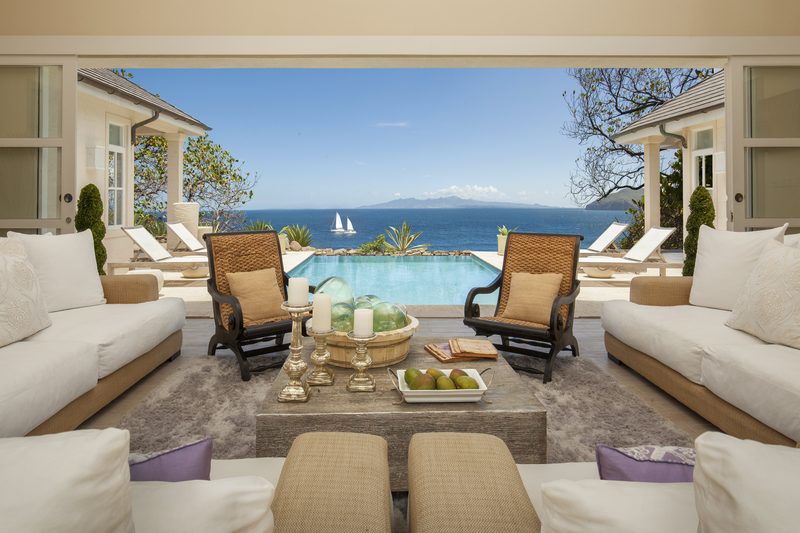
Where to Stay in Saint Vincent in September
Hand-picked hotels across price tiers for September travellers.
Packing Checklist
Bookmark this page — your progress is saved between visits
Need the full list with shopping links?
Climate-specific gear, brand recommendations, and what to leave at home.
View Saint Vincent Packing List →Essential Tips
Insider knowledge and common pitfalls to avoid
Insider Knowledge
The Saturday morning market in Kingstown is the social and culinary center of Saint Vincent in ways that no other experience on the island replicates. Arrive by 7am: fish vendors from the Grenadines typically sell out completely by 9am, and the best produce goes in the first hour. Try bakes (fried dough, eaten with whatever is at hand) from vendors near the meat section, and look for golden apples, a Caribbean fruit with a fibrous, tangy flesh that locals eat with salt and pepper, which is not something you will find in a supermarket back home.
Saint Vincent's locally produced rum, made at the St. Vincent Distillers operation that has been running on the island for decades, is worth seeking out in Kingstown proper rather than buying at the airport departure lounge. The 80-proof Sunset Very Strong is the one locals drink. It is not subtle. But it is legitimate Caribbean pot-still rum at a price that makes you reconsider what you have been paying elsewhere. Local rum shops in Kingstown serve it neat or with Ting, a tart grapefruit soda that has become the region's mixer of choice. Sit at the counter if you want to talk to anyone.
Hurricane season's real threat for most visitors is not a hurricane. It is a week of grey skies and intermittent rain from a storm tracking 500 km (310 miles) away that was never going to make landfall anywhere near Saint Vincent. The practical management strategy: build itinerary flexibility by booking accommodations that allow date changes, front-load your outdoor activities to the first days of the trip, and have a genuine indoor plan for down days. Saint Vincent's interior, the Mesopotamia Valley, the Montreal Gardens, the dark volcanic rivers cutting through banana plantations, is worth visiting in grey light. The island does not stop working when it rains.
Wallilabou Bay on Saint Vincent's leeward coast is where Pirates of the Caribbean was filmed in 2003, and the sets, now rusting, overgrown, and partially collapsed back into the hillside mangroves, are still visible from the water and from the bay's small jetty. The site is not formally maintained or ticketed. In September, you might be the only person standing there in the ankle-deep mud, looking at a disintegrating movie prop that the island is slowly consuming. It is more interesting than a polished theme park version would be, which is probably why nobody has turned it into one.
Avoid These Mistakes
Booking non-refundable boat or sailing excursions for fixed September dates without confirming the operator's weather-cancellation policy in writing before payment. A tropical wave tracking north of Trinidad can make the Tobago Cays passage unsafe for days at a time, and operators with no-refund policies leave travelers stranded on shore watching their deposit disappear. Only book with operators who will reschedule rather than cancel outright.
Underestimating La Soufrière trail difficulty after the 2021 eruption. The summit terrain is still recovering: loose volcanic material, unstable slopes near the crater rim, and significantly altered trail sections in the upper third. Going without a licensed guide in September, when cloud cover reduces visibility and wet rock increases fall risk, is inadvisable. The hike is not a casual nature walk. It rewards preparation and penalizes overconfidence.
Assuming Saint Vincent is Mustique. The two islands are 32 km (20 miles) apart and exist in essentially parallel universes. Mustique is a private island of villa rentals starting at a serious splurge, with almost no public infrastructure and no local population to speak of. Saint Vincent is a working island of 100,000 people with a real capital city, functioning markets, and genuine local life. Travelers who arrive expecting the former and find the latter are often pleasantly surprised. But the confusion is common enough that it is worth naming directly before you book.
Short on time? See day trips around Saint Vincent on GetYourGuide.
Frequently Asked Questions
What Is Saint Vincent Like in September?
September sits squarely in Saint Vincent's wet season and peak hurricane period, so expect warm temperatures around 27, 31°C (80, 88°F), high humidity, and frequent afternoon downpours. On the flip side, tourist numbers drop sharply, guesthouse and resort rates fall significantly from high-season prices, and popular spots like the black-sand beaches and La Soufrière volcano trails feel refreshingly uncrowded. Mornings tend to be clearer than afternoons, so front-load outdoor activities early in the day.
Is September a Good Time to Travel to Saint Vincent and the Grenadines?
September is the most active month of the Atlantic hurricane season, which makes it a risky time to visit, ferry services between islands can be cancelled, flights disrupted, and some smaller tour operators and restaurants reduce their hours or close entirely. Saint Vincent sits around 13°N latitude, slightly south of the typical hurricane track, which offers marginal statistical protection compared to more northerly islands. But direct hits have occurred. If you travel in September, complete travel insurance with explicit hurricane cancellation and trip-interruption cover is non-negotiable, not optional.
What Is the Weather Like in Saint Vincent in September?
Temperatures hold steady between 25°C and 31°C (77, 88°F) throughout September. But rainfall is at or near its annual peak, typically arriving as intense short downpours rather than all-day grey drizzle. Humidity is high, making it feel hotter than the thermometer suggests. Monitor NOAA's National Hurricane Center (nhc.noaa.gov) before and during any trip this month, tropical systems can develop and intensify quickly.
How Serious Is the Hurricane Risk in Saint Vincent in September?
September is statistically the most dangerous hurricane month across the entire Caribbean, and Saint Vincent is not immune, Tropical Storm Tomas (2010) caused significant damage and fatalities on the island. The southerly position of the Grenadines chain does reduce. But does not eliminate, direct-hit probability compared to islands like Barbuda or the US Virgin Islands. Book a fully flexible return ticket, buy your travel insurance immediately after booking (before any storms are named and therefore excluded from coverage), and have a clear contingency plan.
Are There Festivals or Events in Saint Vincent in September?
That said, the low-key atmosphere is itself an attraction: the Saturday morning Kingstown public market buzzes with local produce and conversation, and community cricket matches draw passionate crowds with no tourist fanfare. Check the SVG Tourism Authority website (discoversvg.com) closer to your dates for any small-scale cultural or sporting events.
Is September an Affordable Time to Visit Saint Vincent?
Yes, September is one of the most budget-friendly months, with many hotels, guesthouses, and villa rentals dropping to low-season rates that can run 30, 50% below the December, April peak. Flights routed through Barbados (BGI) or Trinidad (POS), the two main hubs for onward connections to Argyle International Airport, also tend to be cheaper in shoulder and low season. The trade-off is real: weather uncertainty, reduced services, and the need for strong travel insurance must be factored into your total trip cost.
What Activities Can You Do in Saint Vincent in September?
Hiking La Soufrière, the active volcano that dominates the island's north, is possible but trails are muddy and summit clouds are frequent, leave the trailhead by 5:30 a.m. for the best chance of a clear crater view. Snorkeling and diving around the Tobago Cays Marine Park remain worthwhile, though freshwater runoff after heavy rains can temporarily reduce inshore visibility. Sailing charters are available but many experienced skippers avoid the Grenadines in September. If you charter a boat, daily weather monitoring is essential.
How Crowded Are Saint Vincent's Beaches and Attractions in September?
Very uncrowded, September is deep low season, and you'll often have stretches of the volcanic black-sand beaches at Villa and Buccament Bay almost to yourself. The Botanic Gardens in Kingstown, among the oldest in the Western Hemisphere and worth a visit, see only a trickle of tourists this month. Smaller guesthouses appreciate the business and often provide a more personal, attentive experience than during the packed winter months.
Do I Need Travel Insurance for Saint Vincent in September?
Strongly yes, it's arguably more important here in September than almost any other destination-month combination. You need a policy that covers hurricane-related cancellation and trip interruption, medical evacuation (the nearest advanced hospital facilities are in Barbados, a short flight away), and flight delays or cancellations., most insurers exclude tropical storms that have already been named at the time of purchase, so buy your policy within days of booking your flights, not the week before departure.
Explore More Activities in Saint Vincent
Didn't see anything interesting yet?
Browse Viator's full catalog of tours, day trips, food experiences, and private guides in Saint Vincent.
See All Saint Vincent Tours on Viator